Blog /
Industry Insights
Boom times for solar & BESS in Australia: Unpacking new rebate changes in 8 charts
August 18, 2026

We analysed 14,000 projects modelled in Orkestra Plan to show how the changes to the Federal STC scheme and the NSW PDRS will impact C&I solar and battery pricing, payback, and system sizing.
What do the recent federal and state policy announcements mean for commercial solar and battery projects in Australia?
Two big policy announcements in the space of a fortnight have transformed the economics for commercial solar and battery projects in Australia.
- From October 1st, the Federal government’s Small-scale Renewable Energy Scheme (SRES) STC eligibility cap will expand from 100 kilowatt (kW) to 1 megawatt (MW).
- From September 1st, the NSW Peak Demand Reduction Scheme is expanding to include commercial-scale batteries – with upfront discounts available for batteries up to a whopping 30 megawatt-hours (MWh) of capacity.
To understand what this might mean, we analysed the upfront costings of 14,000 unique C&I projects modelled over the last three years.
The results are compiled in eight charts - and all point to brighter times ahead for the commercial solar industry. Read to the end for the practical takeaways for the industry!
Chart 1: Aussie C&I solar is about to break through the $1000/kWp price barrier
From October 1st, the Federal government’s Small-scale Renewable Energy Scheme (SRES) STC eligibility cap will expand from 100 kWp to 1 MWp.
Announced by Climate and Energy Minister Chris Bowen on August 5th, the expansion aims to 'unlock the potential of commercial rooftops' and ‘cut commercial solar costs by around 20%.’
So we modelled it in Orkestra to assess the claims - and Bowen was right. Systems at the upper end of this range will indeed save about 20% on their upfront costs.
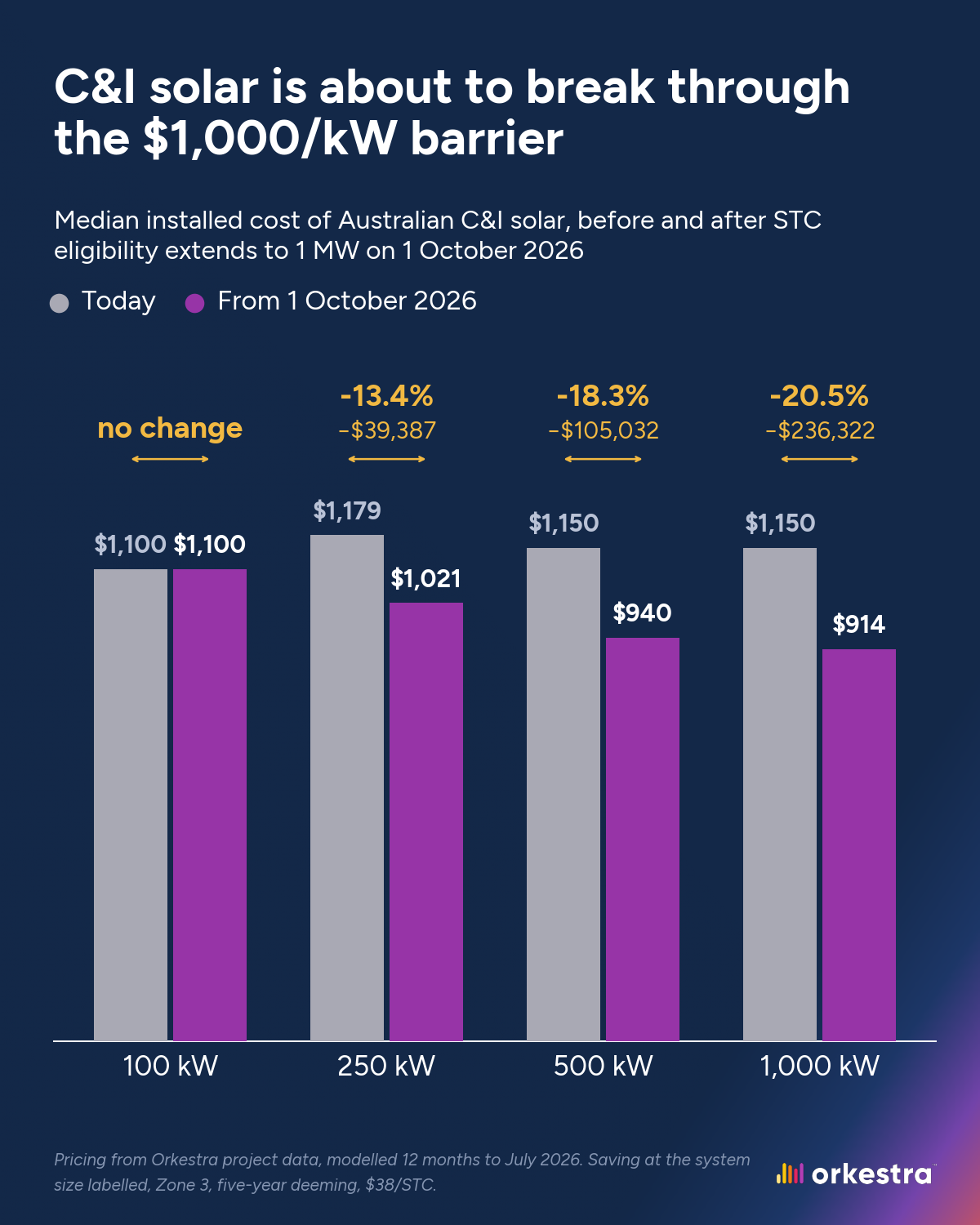
Median prices will range from ~$900/kWp at the 1MW scale, to ~$1100/kWp for smaller commercial systems. Larger systems will - at last - be cheaper per kWp than the industry ‘default’ of 100kWp. However, the spread of prices in the market means we’ll see prices both lower and higher than the median pricves dispayed here - by as much as 25% either way.
Note: that the total eligible STC claim is actually ~$39k higher than reported in the chart above (in yellow). The reason being that prices ‘today’ typically claim STCs for first 100kWp of capacity, then install a ‘2nd system’ on the same roof to collect either LGCs, VEECs or ACCUs for the residual capacity.
Chart 2. C&I solar prices will have dropped by about a third - in just 3 years
Median prices for larger commercial PV in the 101-1000kWp category have fallen by 21% in just 3 years.
From October 1, prices will reduce a further 13-20% from today - depending on size. That’s the equivalent of 2 to 3 years of market price reductions.
Overall, come October, we anticipate that PV project costs will have dropped by about 34% - from $1,500/kWp to ~$1000/kWp - in 3 years.
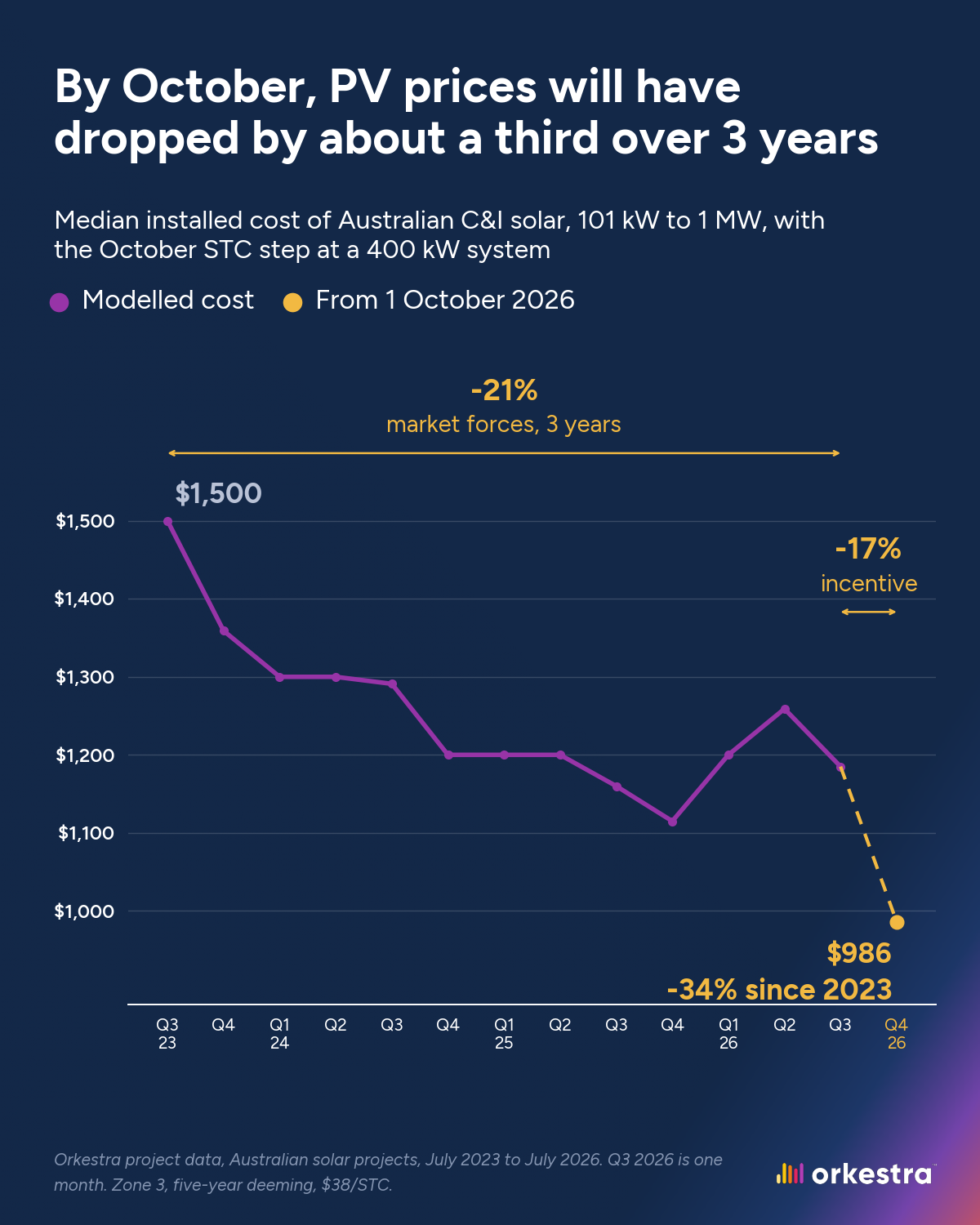
Chart 3. Solar payback periods will drop below 5 years - firmly within the buyers ‘sweet spot’
Median payback periods are expected to drop by 10-18% on average, depending on the system size.
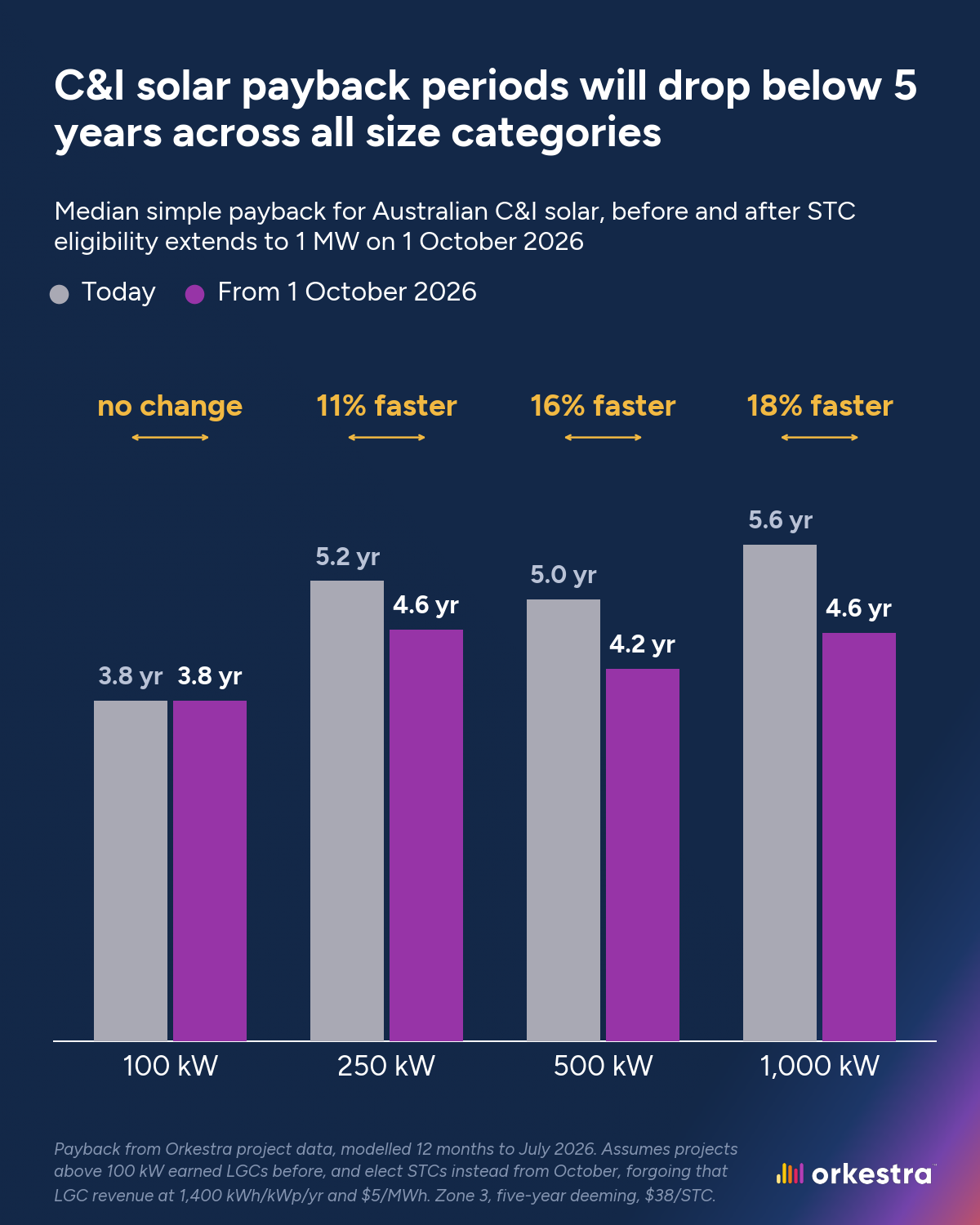
This takes it below 5 years for all size categories in the 100-1000kWp range – making the decision even more of a ‘no brainer’.
Sub-5 years will typically clear the investment hurdle for financial decision-makers, so we anticipate this will have a meaningful impact on close rates and installed volume.
This analysis looked at payback periods from projects modelled in the last 12 months in Orkestra Plan. It takes into account foregone LGC revenue, in exchange for the higher STC discount upfront. As an aside, LGC prices have plummeted in 2026, sitting in the $5-10 certificate range (about 0.5 to 1c/kWh generated) - it was hardly worth the metering and monitoring in any case.
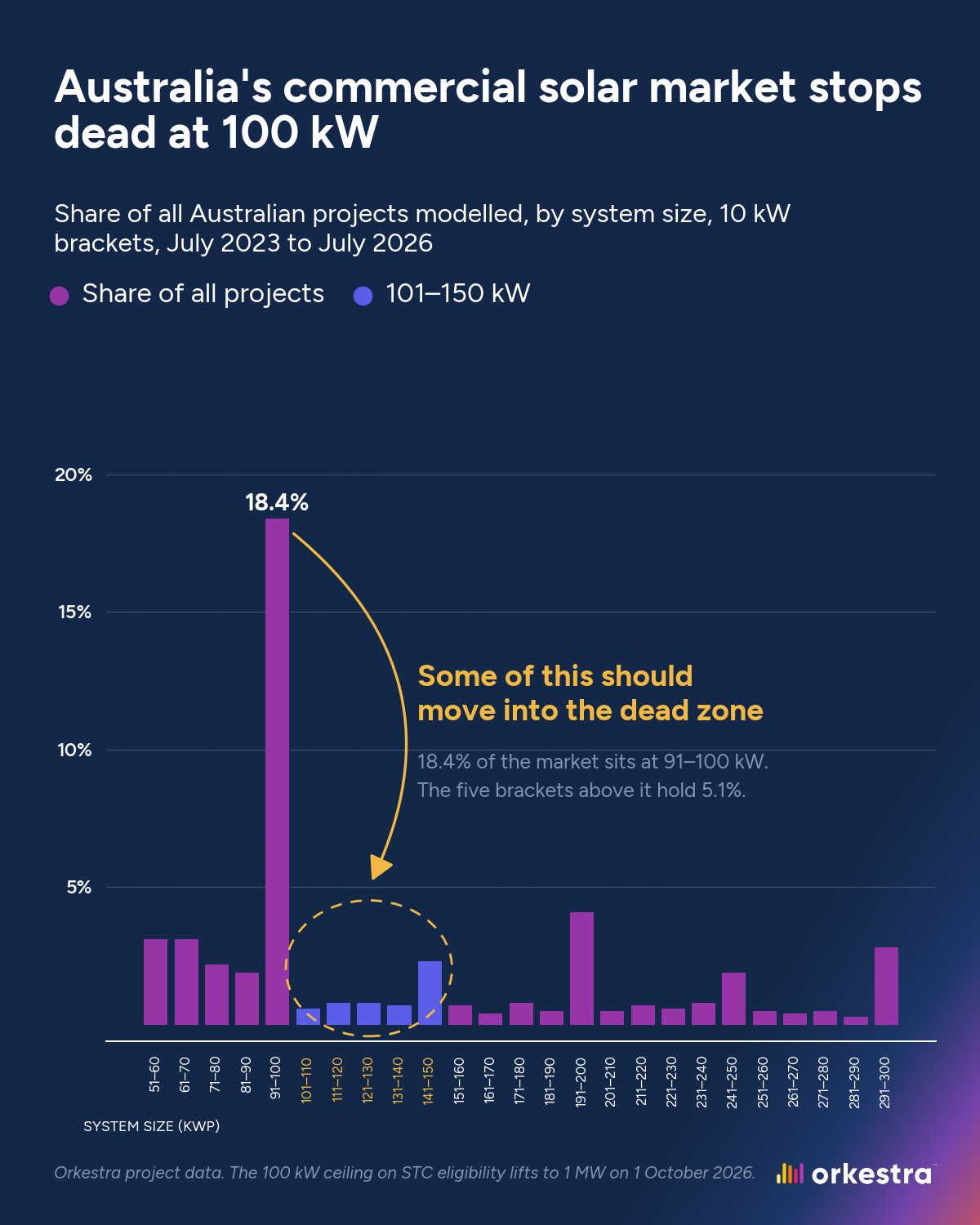
Chart 4. Solar PV’s artificial 100 kWp cliff is about to be obliterated
The Orkestra usage data confirms it (and it’s definitely no secret!): 100kWp is by far the most common size modelled and installed in Aussie C&I.
100kWp systems account for nearly 1/5 of all PV projects modelled in Orkestra, whereas the 100-150kW category accounts for just 5.1%.
With the STC changes, I anticipate we’ll see:
- A drastic uptick in installations in the 100 to 200kWp category
- Many solarco’s revisiting 100kWp projects to add more capacity.
It should be clear by now that these incentives present a huge opportunity for new projects — and also a chance to revisit projects that didn't quite stack up previously, or installed projects that would benefit from more capacity. Support for the STC expansion is already built into Orkestra Plan where you can model an existing project or new project and see the impact yourself.
Get your 3 week free trial
Get started exploring energy project feasibility analysis and reporting. Sign up now - no credit card required.
Sign up todayChart 5. Australian C&I solar is about to be a third cheaper than Europe
So just how cheap is Aussie C&I solar now versus other markets?
Orkestra has seen over 30,000 projects modelled across 50 countries over the last 5 years – and we have an active presence in Australia, UK and Germany – which gives us enough data to confidently compare prices across those markets.
Australia was already the cheapest for installed costs, but from October we’re going to be a full 32% cheaper than Germany, and 29% less than the UK (don’t even mention the sunshine!). My prediction is that by the time this scheme ends in 2030, Australia will be a global leader – not just in residential solar uptake, but also C&I solar uptake.
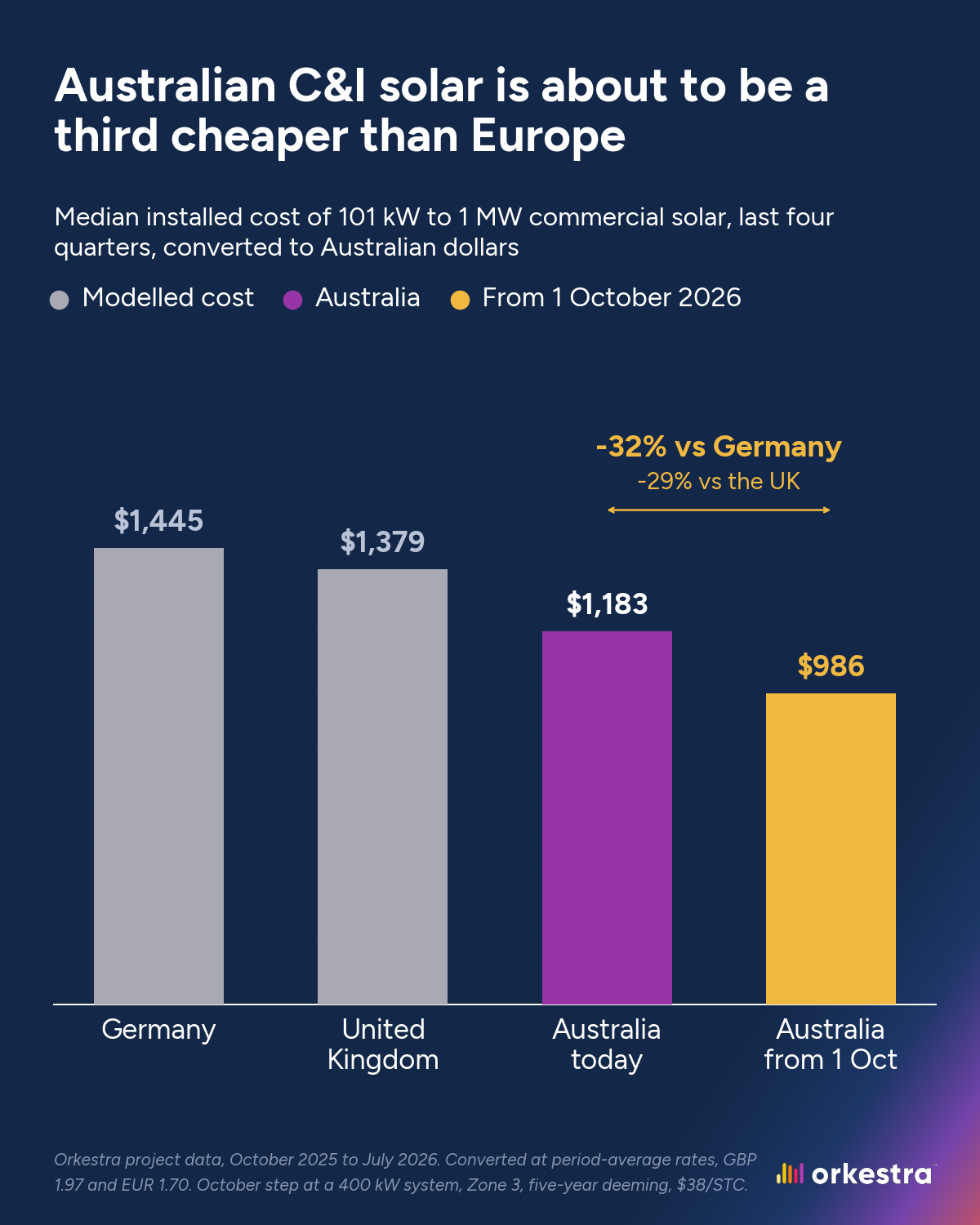
Chart 6. For NSW C&I buyers, batteries just got insanely cheap thanks to the new PDRS
In July, the NSW Government announced they are expanding their Peak Demand Reduction Scheme this September to include commercial-scale batteries in three new segments: Apartments (BESS3 stream), Small-Medium Enterprises (BESS4), and C&I (BESS5).
The BESS5 stream of the program pays an upfront subsidy to batteries from 200kWh to 10MWh in capacity, but eligibility scales right up to 30MWh. Like STCs, the scheme is certificate-based - Peak Reduction Certificates or PRCs - so prices will vary based on market fluctuations.
Battery prices are expected to drop by about a 1/3rd in the 200kWh to 1MWh range. For 5MWh nameplate capacity, a whopping $1.066m discount means prices drop by almost 50% - to just $249/kWh!
SME-scale systems in the BESS4 stream get less of a discount - but still generous, knocking nearly 1/5th off the price.
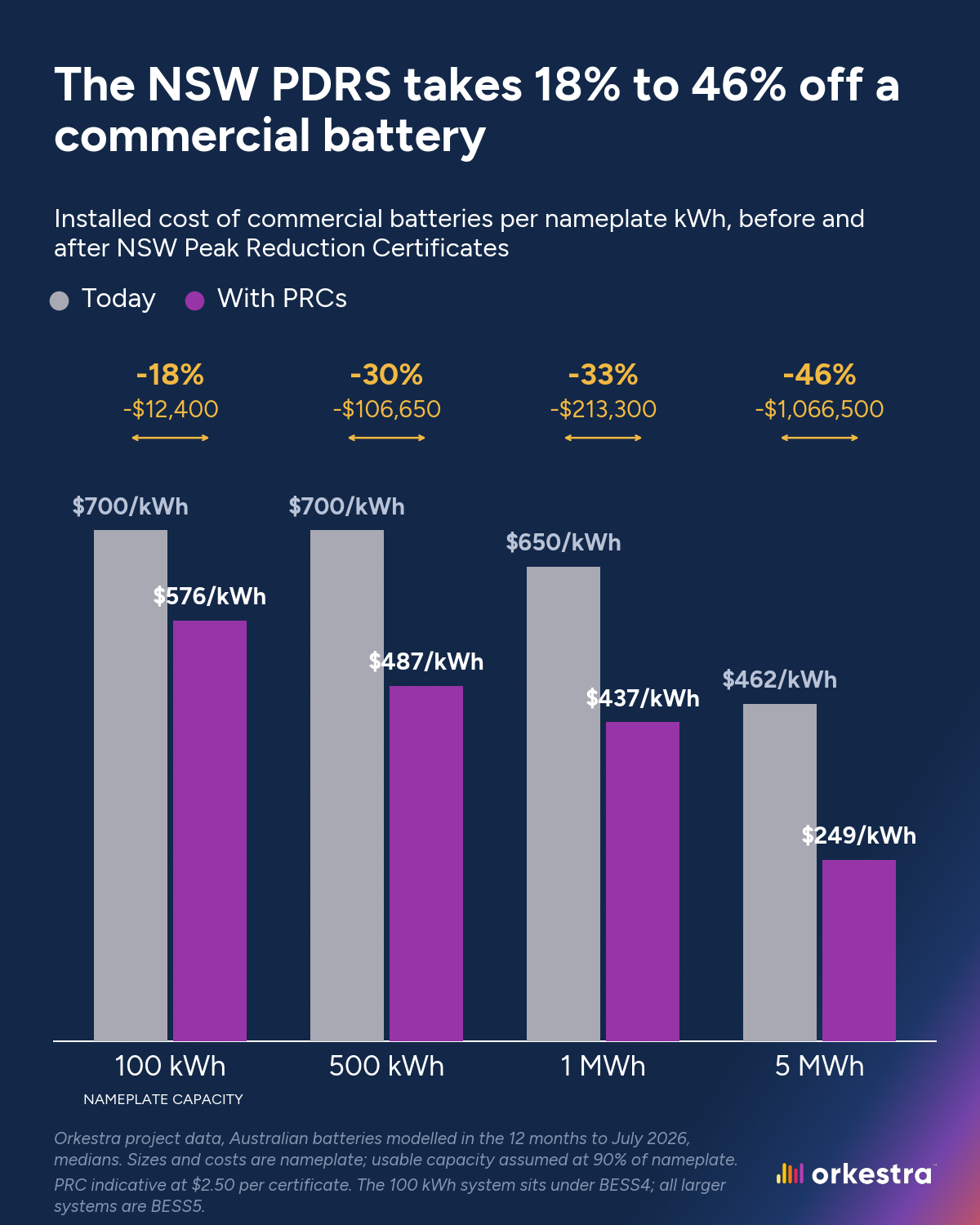
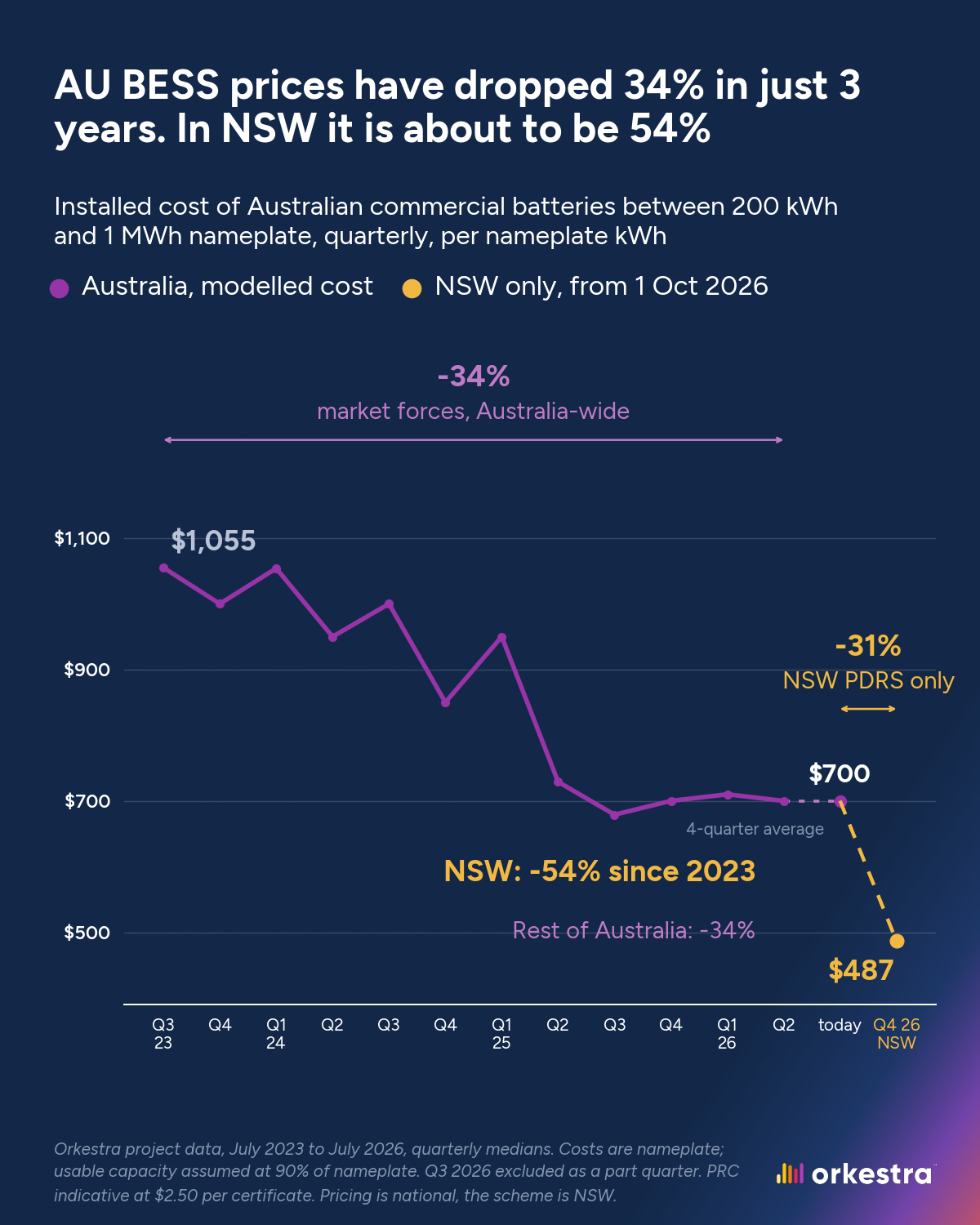
Chart 7. C&I batteries have already fallen in price by 34% in just 3 years. NSW will fall another 31% next month.
This chart is wild. The last 3 years have already seen massive price reductions for batteries in the Australian market. Median modelled prices have fallen from over $1050/kWh nameplate capacity to $700/kwh – in just 3 years.
For those lucky enough to be in NSW, prices will fall again by an average of 31% – taking the 3 year price drop to well over 50%.
We haven’t published payback figures for batteries here, deliberately, because we see a wide range across commercial storage, driven by highly variable site load and tariff factors, and the variable (and sometimes volatile) value streams a battery is actually configured to capture.
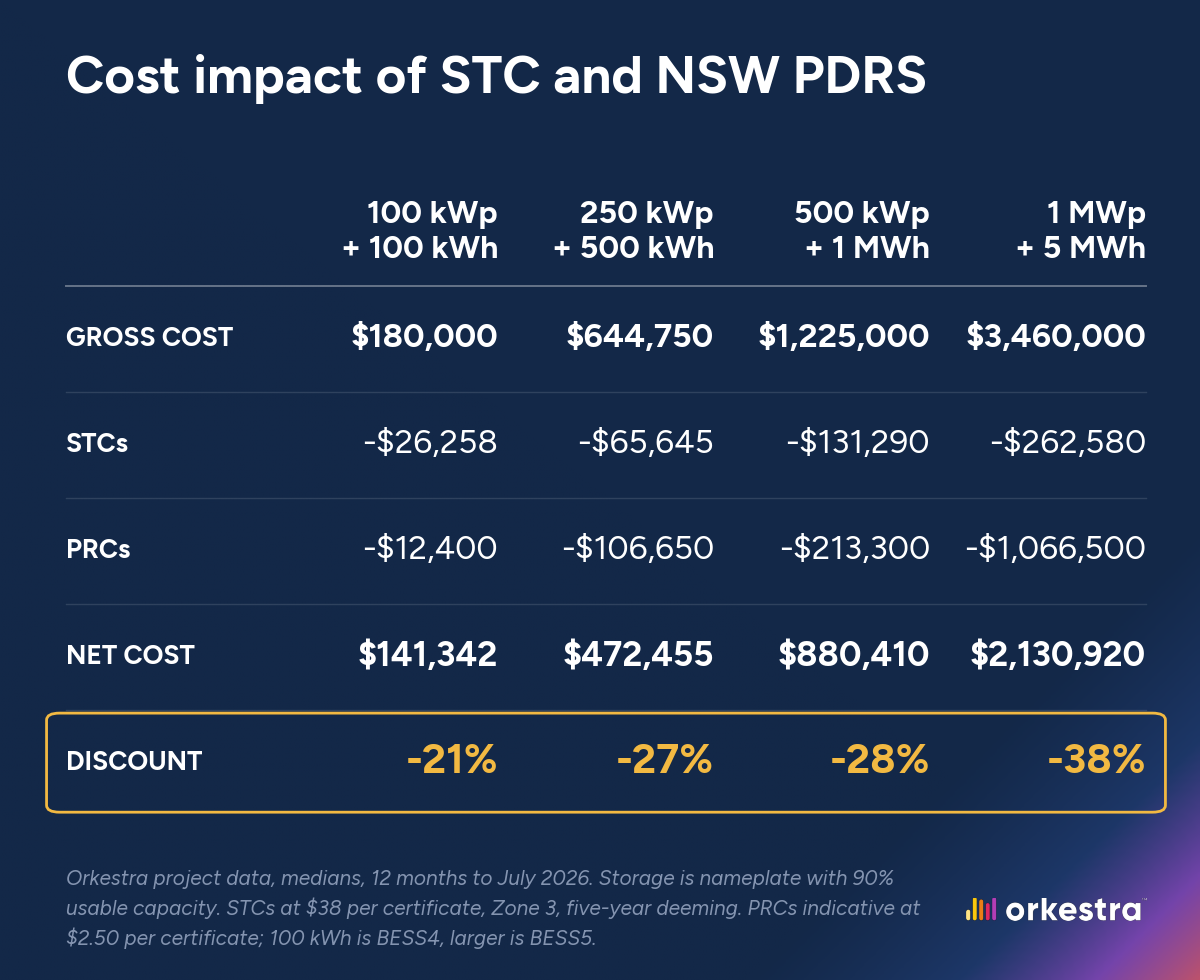
Chart 8. Case studies of 4 different PV + BESS combinations
Yes, you can stack STCs and PRCs in NSW. This is the cost impact on a range of system combinations.
What does it all mean?
- Many 100kWp projects already installed will be undersized to the load. If there is roof space free - that’s an easy upsell.
- 100kWp won’t cut it as a suggested system size. What matters will be the ‘optimum size’ - which might be substantially higher. That will require more robust sizing analysis.
- Cheaper solar prices will also increase demand for batteries, as overall paybacks drop. Bigger solar sizes - when oversized to load - lends itself well to batteries for self-consumption, as per residential.
- Modelling accurate financials is still as important as ever. Savings and revenue estimates still need to be bankable. Commercial buyers are still predominantly financial decision makers.
In NSW…
- I’d anticipate batteries becoming a standard offering - like in residential. A 5MWh system at roughly half price is a different proposition entirely.
- One thing to keep an eye on is certificate prices. A dollar either way on PRCs moves a battery price by about 13% overall. They have been volatile in the past relative to STCs - so be careful with your quoting.
- There are plenty of compliance requirements for the PDRS - which often increase with battery size. Do your homework and get advice from a reputable accredited certificate provider.
Ready to model it?
Boom times don't wait. Every chart in this post was built from real project data in Orkestra Plan - 14,000 C&I projects over 3 years.
The STC and PRC changes are already built into Orkestra Plan ready for you to start modelling your next commercial projects and see how they stack up. We offer a free 3 week trial of Orkestra so you can get started straight away running the numbers on your own pipeline.
Get your 3 week free trial
Get started exploring energy project feasibility analysis and reporting. Sign up now - no credit card required.
This blog is written as a guide and should not be seen as financial advice. These announcements are fresh and program details may change. Certificate prices are subject to market fluctuations - we’ve used recent averages in this analysis. Certificate eligibility carries real compliance requirements, so do your homework. All prices presented in $AUD.